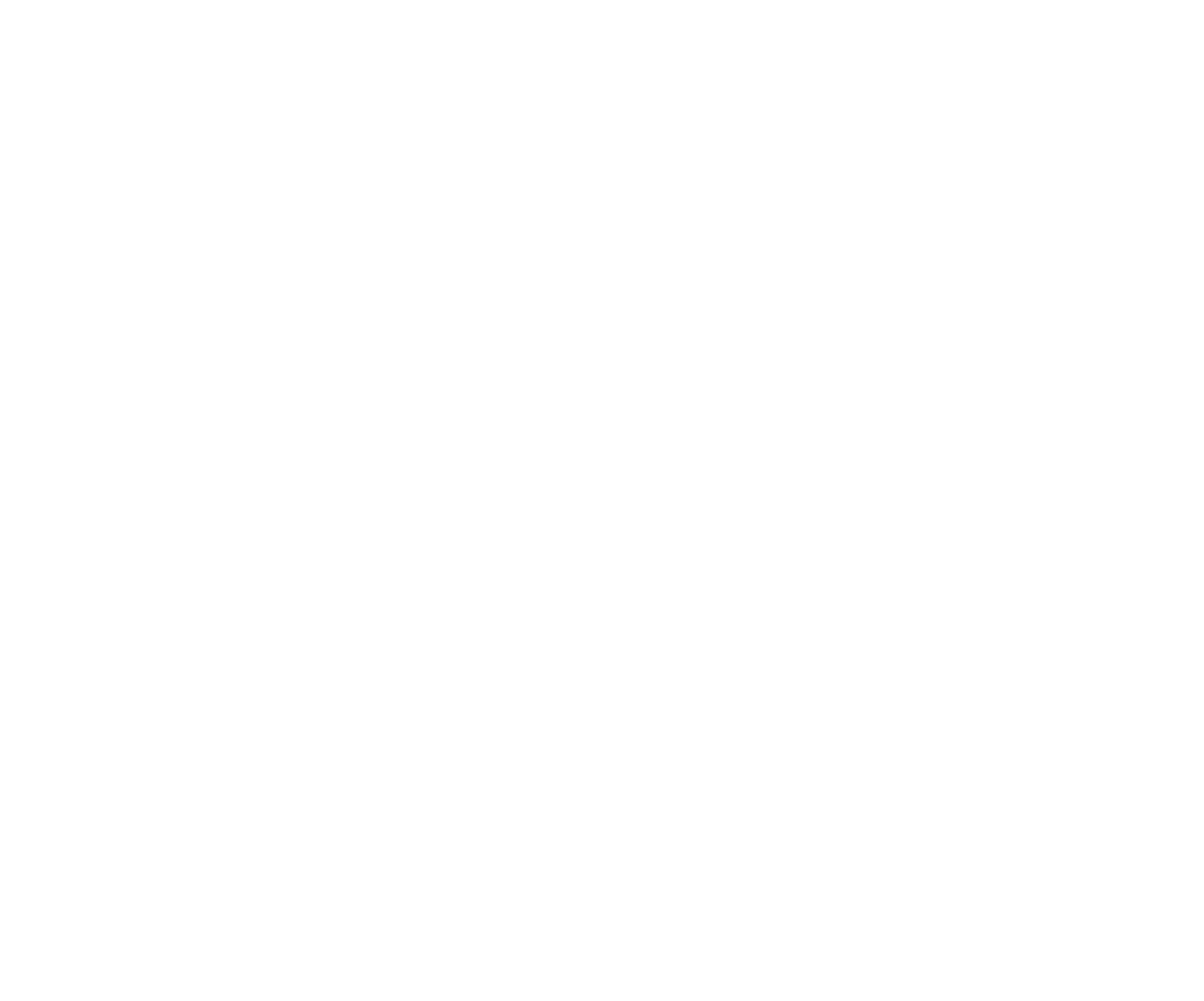
You spent months planning your trade show presence. The graphics look sharp. The product demos are polished. The team flew in from three cities. And then the show opens—and the booth two aisles over has a crowd three deep while yours feels like a dentist’s waiting room.
It’s not your product. It’s not your team. It’s your layout. And what’s maddening is that the problems are almost always invisible to the people who caused them.
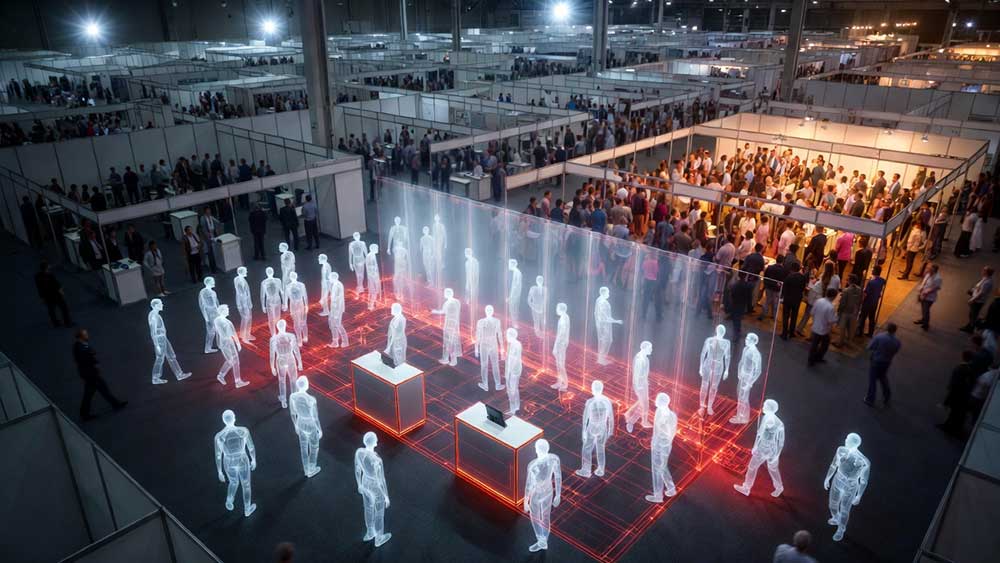
Here’s what most exhibitors don’t realize: booth traffic isn’t random. It’s engineered—consciously or not. Experienced contractors who’ve built hundreds of exhibition spaces can read a floor plan and predict, with unsettling accuracy, which booths will attract crowds and which will bleed visitors to competitors. The difference between those two outcomes often comes down to decisions made in the planning phase that feel minor at the time.
Your booth layout either pulls people in or pushes them away before they’ve taken three steps. But here’s what the post-show debrief won’t tell you:
- The biggest traffic killers aren’t aesthetic—they’re spatial and psychological
- “Open” layouts can actually intimidate visitors more than enclosed ones
- Most exhibitors optimize for the wrong metric entirely (square footage used vs. dwell time created)
This isn’t a listicle of generic tips. These are the things contractors say to each other, not to clients—the pattern-recognition that comes from watching thousands of visitors navigate hundreds of booths. Walk through these seven, and you’ll see your next floor plan completely differently.
1. Your Entrance Is a Threshold, Not a Welcome Mat
Here’s what most exhibitors get wrong from the start: they treat the booth entrance as a neutral zone. It isn’t. It’s the single highest-stakes square footage in your entire exhibit.
Visitors make a go/no-go decision in roughly two seconds. That’s not a metaphor—eye-tracking studies on trade show floors consistently show that 80% of a person’s decision to enter a booth happens before they cross the threshold. Which means everything positioned at that entry point is either working for you or against you.
The most common mistake? Placing a reception desk or counter directly at the entrance. It feels hospitable. It’s actually a wall. Psychologically, it signals that someone is going to intercept you—and for a visitor who just wants to browse, that’s enough to keep walking. In practice, we’ve found that booths using a “greeter desk” positioned at the front perform 20-30% worse in spontaneous walk-in traffic compared to the same space with the desk angled toward one side at roughly 10-15 feet in.
The entrance should feel like an invitation into a space, not a checkpoint into a territory. Leave it genuinely open. Let people self-select into the experience before a conversation begins.
And the floor. People look down more than designers ever account for. A flooring transition—even a simple branded carpet versus the bare concrete of the aisle—creates a subconscious “crossing” moment that elevates the perceived significance of entering your space. It’s a small thing that contractors learn to include automatically. Most exhibitors never think to ask for it.
2. The Fatal Symmetry Problem
Walk any major trade show floor and count the booths that are perfectly symmetrical. You’ll count a lot. Now notice which ones have lines and which ones look like a still-life painting.
Symmetry feels safe in the design phase. Equal product displays on each side. Centered signage. Balanced everything. The problem is that symmetry creates visual ambiguity. When both sides of a space look equally weighted, visitors have no natural direction to move. They pause, feel uncertain, and—here’s the critical part—often don’t enter at all because unconsciously they don’t know where to go.
Asymmetry guides. A dominant visual anchor on one side creates a natural flow: visitors enter, they move toward the primary focal point, and the rest of the booth experience unfolds along that path. Contractors who’ve built award-winning exhibition spaces spend considerable time on what they call the “desire path”—the route a visitor will naturally walk if nothing interrupts them. Good layouts design that path deliberately. Bad layouts let it happen by accident and then wonder why visitors only ever see half the booth.
The counterintuitive reality: the less certain a visitor is about where to go, the faster they leave. Decisive asymmetry actually reduces anxiety. This is why hospitality design—hotels, high-end restaurants—uses strong directional architecture even when there’s technically space to be more balanced.
3. You’re Competing for Dwell Time, Not Foot Traffic
This is the biggest mindset shift, and most exhibitors never make it.
The goal isn’t to get people into the booth. The goal is to get people to stay long enough to have a meaningful conversation. And those two objectives require completely different layouts.
Optimizing for entry volume means making your booth visually loud and accessible. Optimizing for dwell time means creating reasons to linger—seating, interactive elements, layered content that rewards exploration. Here’s where it gets interesting: booths that optimize for dwell time often look less impressive at peak hours because they have fewer people cycling through. But the lead quality from those engagements is dramatically better.
The practical implication for layout: every square foot should be evaluated on whether it creates a reason to pause. Product displays with no interactivity? They’re viewed for approximately four seconds on average. The same product with a working demo or a tactile element? Dwell time jumps to 45-90 seconds minimum, which is long enough for a conversation to begin naturally.
What most people miss is that seating is a conversion tool, not a luxury. Putting chairs in a booth isn’t about making visitors comfortable—it’s about anchoring them. A visitor who sits down has effectively signaled openness to a real conversation. Layouts that include even two or three quality seating positions consistently outperform standing-only configurations for qualified lead generation, across almost every industry.
4. The Sightline Hierarchy Nobody Talks About
Walk down a trade show aisle. What do you actually see? Not what’s at the booths—what’s inside the booths?
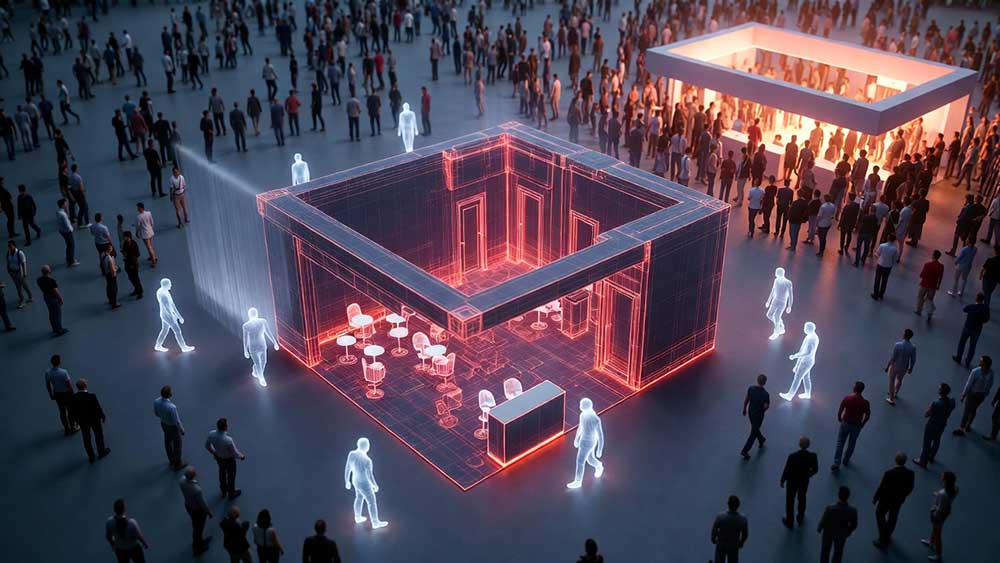
If you’re doing this mentally right now, you’re probably imagining a slice. A narrow window into a space. And that’s exactly how visitors experience your booth before they decide to enter: through a sightline that’s rarely wider than 20-30 degrees of viewing arc at typical aisle traffic speeds.
This means the most valuable real estate in any booth isn’t the back wall—it’s the portion visible from that narrow approach angle. Contractors call this the “sightline hierarchy,” and it dictates what should be placed where with ruthless practicality. Your most compelling visual element, your clearest value statement, your most eye-catching demo—it needs to land in that 20-30 degree window. Not on the beautiful back wall that visitors only see if they’re already inside.
In practice, this means your headline messaging should be positioned at roughly two-thirds of the way back in the booth, elevated to mid-to-upper viewing height, and angled very slightly outward. It sounds overly technical until you’ve stood in the aisle of a show and watched visitors’ eyes track to exactly that zone, every time.
The back wall is for people who are already engaged. Design it for them. But design everything else for the person walking past who hasn’t decided yet.
5. Dead Zones Are Revenue Leaks
Every booth layout has dead zones—areas that visitors physically avoid or move through without stopping. Most exhibitors don’t know where they are until after the show, when they notice the wear patterns on the carpet or realize that half the booth never saw a meaningful conversation.
Common dead zones are predictable once you know what creates them: corners without a draw, areas behind structural elements that interrupt sightlines, spaces positioned too close to high-traffic “flow” paths where visitors feel like they’re blocking others, and areas adjacent to competitor booths where ambient noise creates an invisible barrier.
The fix isn’t always relocating elements. Sometimes it’s redirecting foot traffic with subtle environmental cues—a change in flooring material, a light source that draws the eye, a single interactive element that creates a reason to move toward the back.
One of the most reliable dead zone eliminators that contractors use? Elevation. A platform—even four to six inches of rise—changes the way visitors perceive a space. It creates destination psychology. People are drawn to platforms. It’s the same reason stages work. When a product is elevated, it reads as “important,” and visitors will move toward it in ways they won’t for the same product at floor level. This isn’t theory—it’s something you can observe at any major consumer electronics show.
6. The Traffic Confusion Tax
Here’s a cost that never appears on a budget: the visitors you lose because your booth is confusing to navigate.
This happens at every show, in every industry. Visitors enter a space, don’t immediately understand where to go or what the experience offers, and leave. They aren’t uninterested. They’re disoriented. And disorientation in a trade show context translates directly into departure, because the alternative—figuring it out—requires effort that a visitor surrounded by competing options won’t invest.
Complex booth layouts that try to do too many things at once are the leading cause. Multiple product lines all competing for attention at equal visual weight. Multiple entry points with no clear primary flow. Multiple conversation areas without spatial logic about which serves which purpose.
The contractors who build the highest-performing booths approach layout with what’s sometimes called a “single story” principle: the space should communicate one primary message before it communicates anything else. Every element either supports that story or creates noise against it. Noise is expensive.
The diagnostic question to ask about your layout: if a visitor spent 30 seconds in your booth and then left, what’s the single thing they’d remember? If you can’t answer that quickly, your layout is working against you.
7. Staffing Positions Are a Layout Element
This one surprises people. The physical placement of staff within the booth—where they stand, where they congregate when not in active conversations, how their presence shapes the available space—is as important as any structural or graphic element. And it almost never appears on a floor plan.
The most common staffing layout mistake: staff clustering near the entrance. It feels like deployment. Visitors experience it as a gauntlet. Three people standing near the front of a booth create an invisible force field that makes spontaneous entry feel socially costly. Foot traffic visibly decreases. Move those same three people toward the middle and back of the space, and entry rates climb.
The ideal staffing positions are in the one-third to two-thirds depth of the booth, angled slightly inward—not at visitors, but clearly engaged with the space. This creates what feels like a natural social environment that visitors can enter rather than interrupt. It’s a subtle distinction with a measurable outcome.
Some contractors now explicitly include “staff positioning zones” in booth design documents—marked areas where team members should be stationed during different phases of show activity. It’s not common practice yet, but among the best exhibition builders, it’s considered part of the design.
The Pattern Behind the Pattern
Here’s the thing that ties all seven of these together: every mistake on this list comes from designing a booth the way it looks on paper rather than the way it feels in person.
A floor plan is a map. Visitors experience a territory. Those two things look identical in a design review and feel completely different on a show floor. The gap between them is where booth performance either lives or dies.
The contractors who consistently produce high-traffic, high-conversion exhibition spaces share one characteristic: they think in terms of experience sequences rather than spatial arrangements. Not “where does this element go” but “what does a visitor see, feel, and decide at each moment of the approach, entry, and exploration?” That frame changes every decision.
Walk your next floor plan literally—print it out, set it on a table, and physically walk your finger along the visitor’s path while narrating what they’d be experiencing at each point. You’ll find the problems before you build them, and fixing them on paper costs nothing.
What you can’t afford is to discover them on the first afternoon of the show, when the crowd is walking past and you’re trying to figure out why.
Insights in this article are drawn from analysis of exhibition and trade show build projects across multiple industries and show formats, including observations of visitor behavior patterns at major international exhibitions. Booth performance metrics referenced reflect general industry ranges; specific outcomes vary significantly by industry, show type, audience, and execution quality. If you’re in the planning phase for an upcoming show, the most valuable thing you can do is walk the show floor as a visitor first—before you ever open a design file.